As part of its ongoing programme on migratory species, CIESM continues to advance research on the migration ecology of the Yelkouan shearwater (Puffinus yelkouan), a Vulnerable seabird species endemic to the Mediterranean.
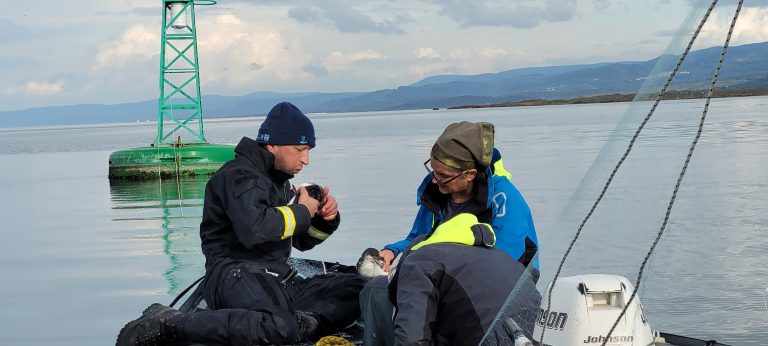
Since 2021, tracking efforts have been progressively developed across several breeding colonies in the region, beginning in Croatia and later expanding to Malta and Tunisia in 2022. Individuals were equipped from their nests with GPS-GSM transmitters in order to better understand the movements and ecological dynamics of this still insufficiently documented species.
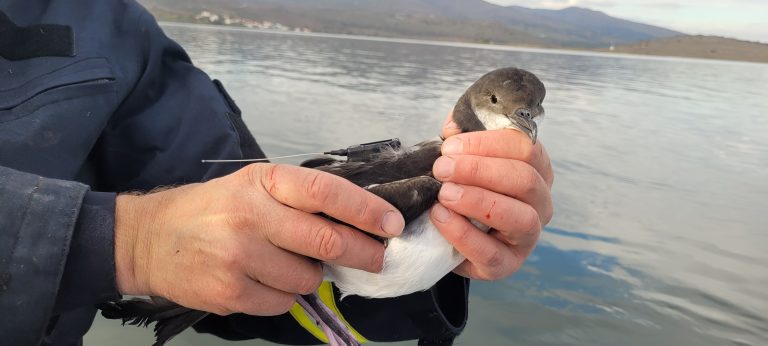
In 2024 and 2025, the programme reached a new stage through the deployment of an innovative at-sea capture protocol in the Istanbul Strait, where birds were successfully caught using a net stretched between two vessels. This methodology has since opened new perspectives for tracking individuals outside breeding colonies and in key migratory corridors.
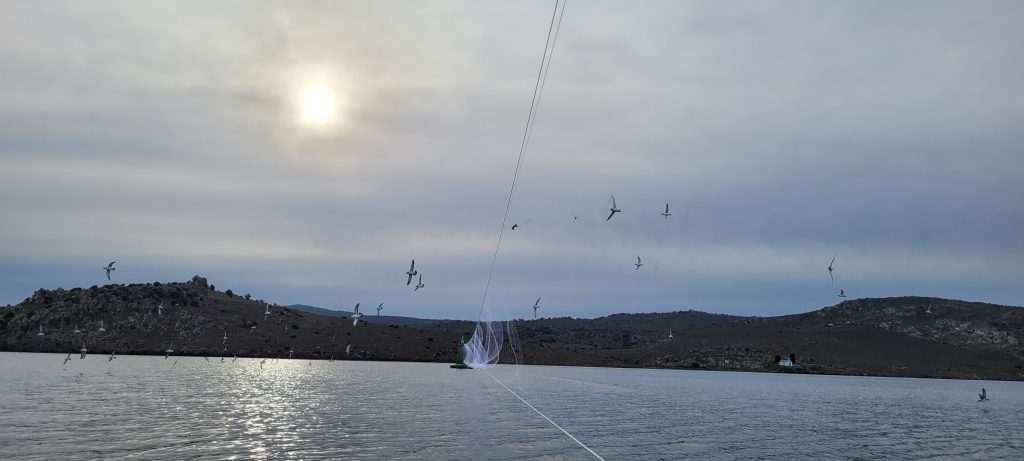
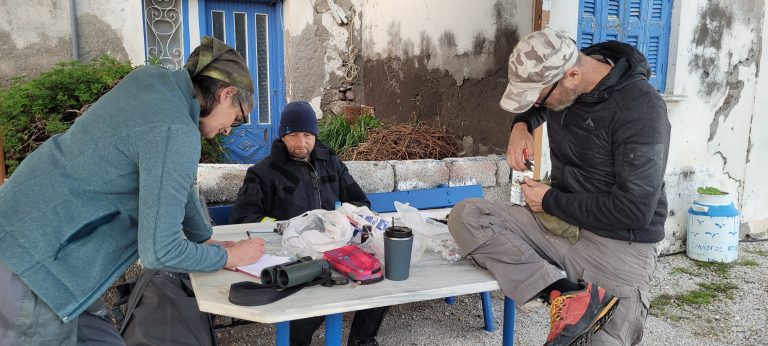
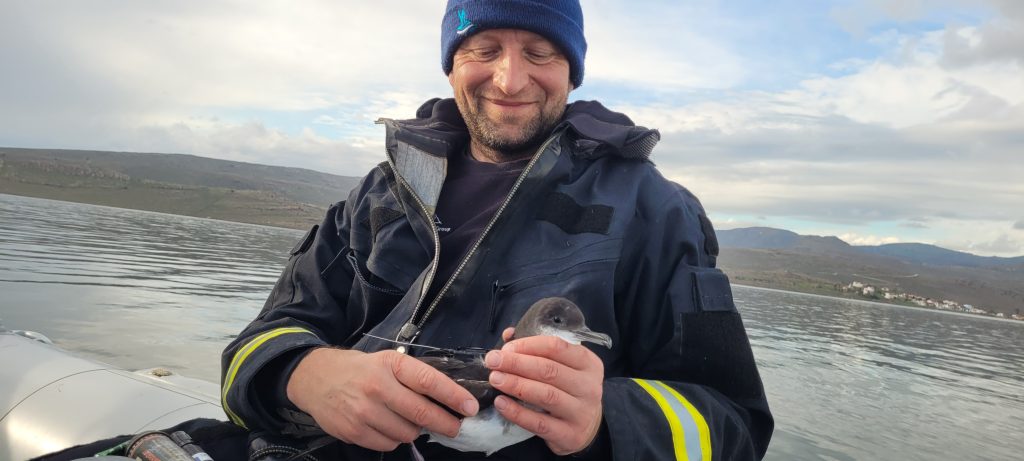
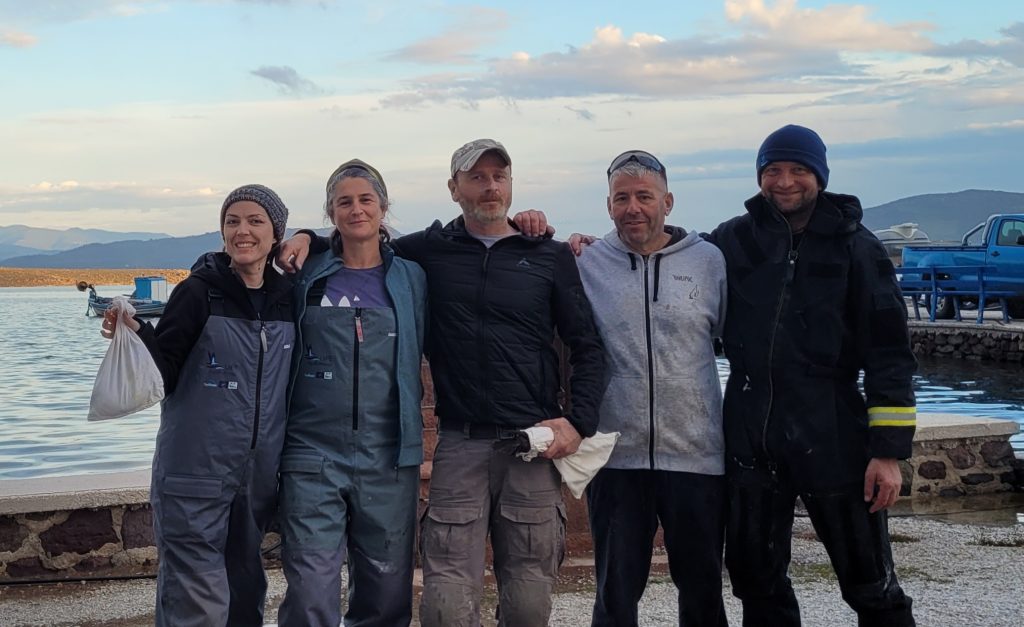
In February 2026, a new field mission was carried out in the Gulf of Kalloni (Lesvos Island, Greece), in collaboration with the Hellenic Ornithological Society / BirdLife Greece. The objective of the mission was to deploy GPS-GSM transmitters on Yelkouan shearwaters seasonally observed in large numbers within the gulf during the pre-laying period.
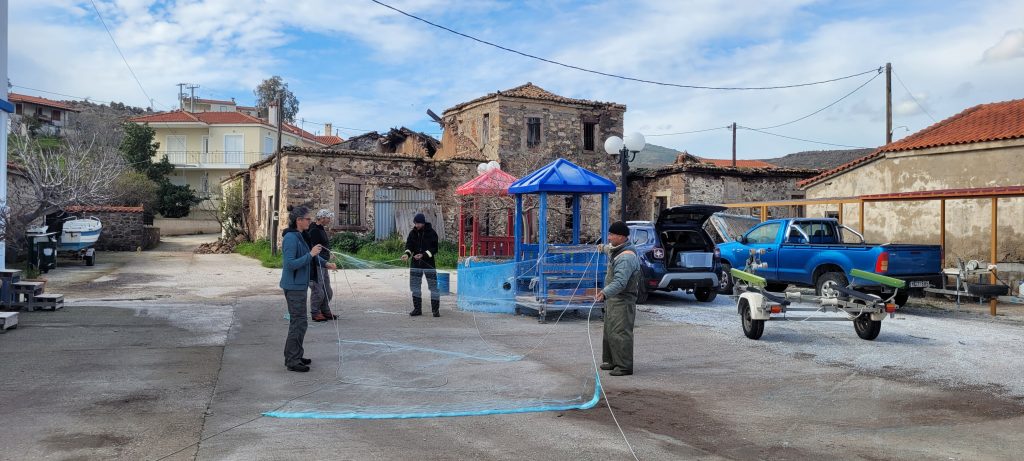
For this operation, the capture protocol was further adapted to local environmental conditions through the framework of the LIFE MareNatura project (2024–25). In this case, the capture net was extended between a fixed buoy and a vessel, rather than towed between two boats as previously implemented in the Istanbul Strait.
A total of eight birds were successfully equipped during the mission. Preliminary tracking data already reveal particularly significant movements between the Mediterranean and the Black Sea. Four individuals intensively visited the Black Sea, displaying strong foraging activity within the region, while one tracked bird was clearly identified returning to its breeding site on the island of Psara, already known to host an important Yelkouan shearwater colony.
The data collected through these missions are contributing to a finer-scale understanding of migration routes and connectivity patterns between the Mediterranean and the Black Sea during a critical phase of the breeding cycle. Beyond their scientific value, these observations also provide important knowledge for future conservation initiatives, particularly in relation to the identification and management of Important Bird Areas (IBA) and Key Biodiversity Areas (KBA) across the region.