CIESM Workshop 56 in Croatia explores emerging scientific priorities to strengthen Mediterranean biogeochemical observations
Building on existing regional initiatives to address emerging scientific needs and strengthen the contribution of marine observations to environmental policy.
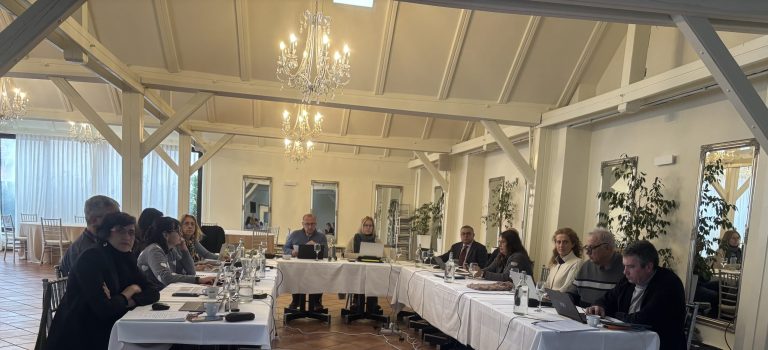
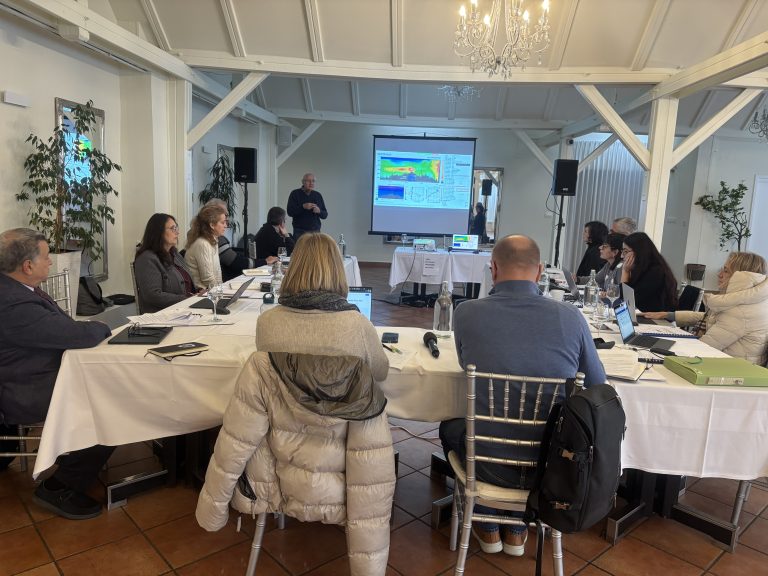
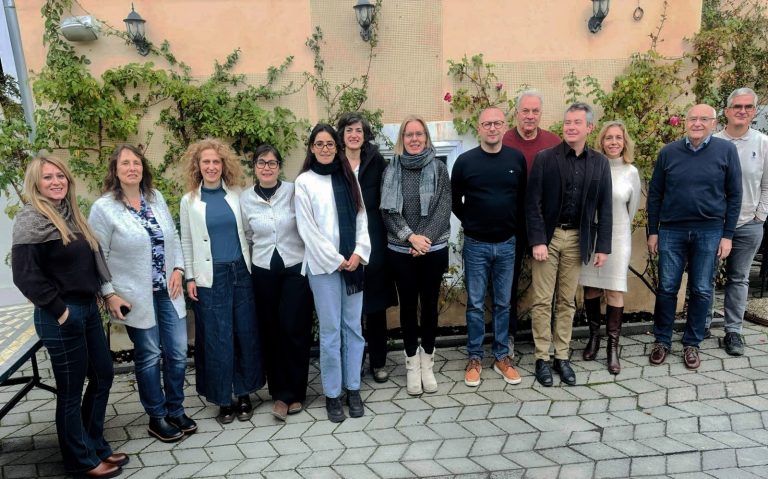
From 9 to 12 November 2026, CIESM Workshop 56 brought together scientists in Samobor and Zagreb, Croatia, to examine how advances in marine biogeochemical observations and data products can further strengthen the scientific foundations of Mediterranean observing efforts.
The workshop, entitled “Advancing Mediterranean Ocean Observations: Emerging Priorities, Gaps and Future Directions”, was conceived as a focused, collaborative scientific exercise, building upon the considerable achievements of established Mediterranean programmes and networks.
A particularly valuable reference was the recent MonGOOS scientific assessment of Mediterranean observing capabilities, which provided the most comprehensive recent overview of strengths, gaps and opportunities within the existing observing landscape. This assessment offered an important foundation for exploring where additional scientific expertise, emerging measurements and methodological advances could complement ongoing regional efforts.
The workshop also drew upon the experience of Med-SHIP, which has provided a foundation for coordinated physical and biogeochemical observations across the basin, and CARIMED, which has demonstrated the value of integrating and harmonising measurements into coherent, quality-controlled regional data products.
Rather than revisiting the broader assessment of Mediterranean observing systems, the discussions concentrated on specific scientific questions that could help existing initiatives further develop their capabilities, extend their scientific applications and respond to emerging environmental challenges.
Addressing emerging scientific needs
Participants examined a range of biogeochemical variables and environmental pressures that require further scientific attention, including carbon cycling, greenhouse gases such as methane and nitrous oxide, technology-critical and trace elements, emerging contaminants, and marine litter and microplastics.
An important part of the discussions concerned the scientific and technological readiness of different measurements, including the reliability of analytical approaches, the harmonisation of sampling and quality-control procedures, and the need for intercalibration.
These questions are particularly relevant when seeking to integrate emerging variables into established observing efforts and to ensure that measurements collected by different institutions and platforms can contribute to robust, comparable scientific information.
The workshop also explored how complementary measurements from research vessels, autonomous platforms and other observing technologies can contribute to improved biogeochemical data products, modelling applications and a more comprehensive understanding of Mediterranean environmental processes.
Particular attention was given to the scientific needs of coastal and open-sea environments, as well as to opportunities for strengthening cooperation and scientific participation across the northern, southern and eastern Mediterranean.
From observations to scientific understanding and policy evaluation
One of the workshop’s important themes was the potential to extend the value of marine observations beyond describing environmental change.
Reliable and sustained observations are essential not only to detect environmental pressures and understand their consequences, but also to investigate whether measures intended to reduce pollution, protect marine ecosystems or support climate adaptation are producing measurable improvements.
Such assessments require a strong scientific foundation, combining appropriate environmental indicators, high-quality observations, process understanding and modelling approaches.
In this respect, the workshop explored opportunities to strengthen the links between fundamental scientific research, existing observing initiatives and the information needed by public authorities.
The purpose was to contribute complementary scientific perspectives and practical insights that can support existing Mediterranean initiatives and help address knowledge and methodological gaps.
A productive dialogue with Croatian authorities: from Mediterranean scientific priorities to Adriatic challenges
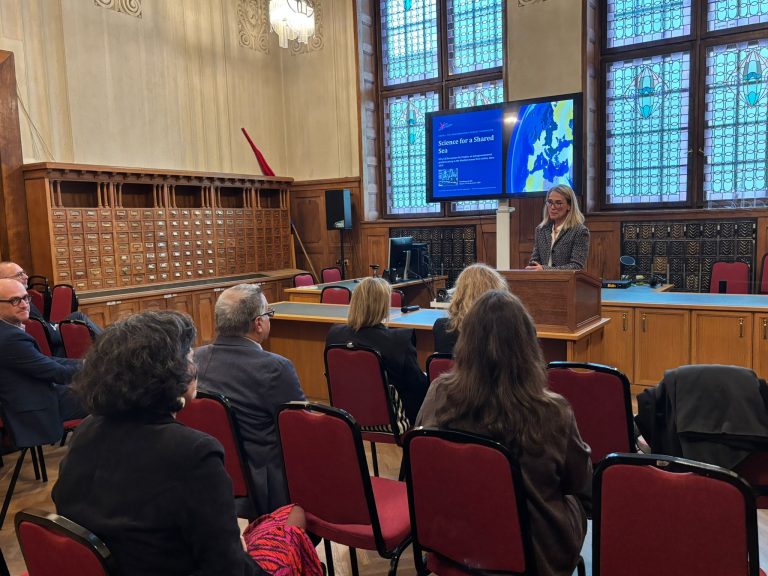
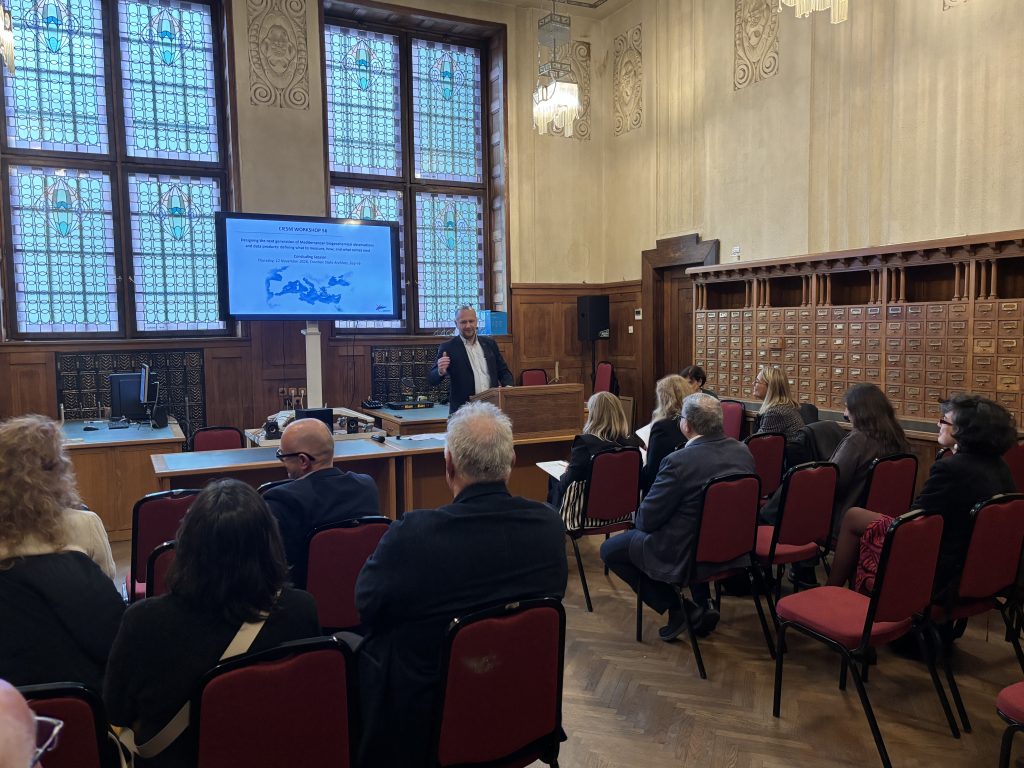
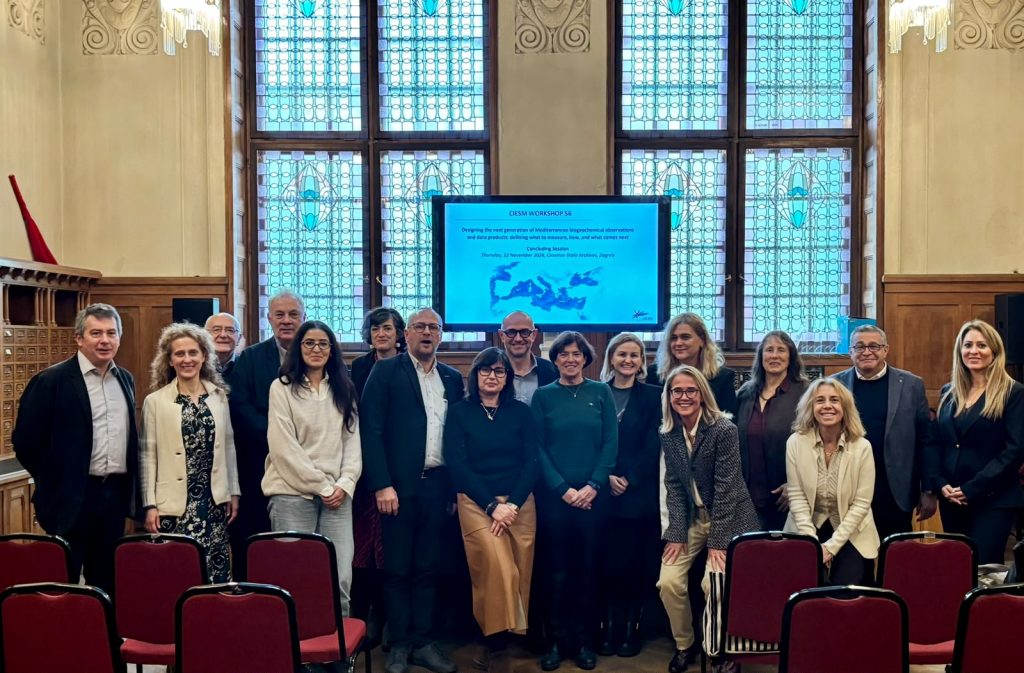
The workshop concluded on 12 November in Zagreb with a dedicated exchange between scientists and representatives of Croatian national and local authorities, demonstrating the importance of connecting scientific expertise with the concrete environmental challenges faced by public institutions.
In preparation for this session, the participating experts made a particular effort to identify and discuss issues of specific relevance to the Adriatic Sea, drawing upon the broader scientific exchanges of the preceding days. Special attention was given to the distinctive environmental characteristics and vulnerabilities of the Adriatic, including its interactions between rivers, coastal waters and the open sea, the effects of climate change, and the pressures associated with marine pollution and emerging contaminants.
This collective effort proved especially valuable during the subsequent dialogue with the authorities. Rather than presenting only general conclusions about Mediterranean observing needs, the scientists were able to bring forward targeted scientific questions and considerations directly relevant to Adriatic environmental monitoring and management.
The discussions welcomed Dr Hrvoje Meštrić, Director-General for Science and Technology at the Ministry of Science, Education and Youth; Dr Branka Pivčević Novak, Head of Sector for Climate Activities at the Ministry of Environmental Protection and Green Transition; and Ms Alena Vlašić, Senior Coordinator at Croatian Waters (Hrvatske vode).
The session was opened by Dr Marina Mlakar, Croatian National Delegate to CIESM, and Dr Laura Giuliano, CIESM Director General.
The exchange was particularly constructive, demonstrating how the scientific priorities identified by the workshop could respond to concrete concerns of the institutions responsible for environmental protection, water management and research policy. Discussions highlighted the importance of sustained observations, access to reliable scientific information, interoperability between existing datasets and the development of appropriate tools to evaluate environmental pressures and the effectiveness of management measures.
The dialogue also illustrated how much these scientific questions are central to forward-looking environmental policies, and how valuable it can be to bring international scientific expertise into direct conversation with the authorities responsible for addressing regional challenges.
This Adriatic-focused exercise provided a particularly meaningful example of CIESM’s approach: building upon existing scientific knowledge and regional initiatives, mobilising complementary expertise and helping translate collective scientific advances into practical insights that can support public decision-making.
Supporting Mediterranean cooperation and building on shared achievements
The workshop reflects CIESM’s longstanding commitment to bringing together complementary scientific expertise, encouraging cooperation across national and disciplinary boundaries, and helping translate scientific advances into knowledge of broader societal value.
Its contribution is intended to support and further valorise the important work already undertaken by Mediterranean observing networks, scientific programmes and data infrastructures, including MonGOOS, Med-SHIP, CARIMED and other relevant regional initiatives.
The workshop did not aim to propose a new observing network, but rather to identify scientific priorities, methodological needs and emerging observing capabilities that could strengthen existing Mediterranean observing initiatives.
By focusing on emerging scientific needs, methodological reliability, interdisciplinary integration and the evaluation of environmental responses, CIESM seeks to contribute additional knowledge and perspectives that can strengthen these collective efforts.
The Commission warmly thanks all participating scientists, the workshop co-chairs and organisers, the Croatian authorities and Dr Marina Mlakar for their valuable contributions and commitment.
The individual scientific contributions, together with the collective synthesis and recommendations developed through the workshop, will be published in the forthcoming CIESM Workshop Monograph No. 56.
📖 This publication will provide a further opportunity to consolidate the scientific discussions, acknowledge the contributions of existing regional initiatives and identify constructive avenues for future cooperation across the Mediterranean and, where relevant, the Black Sea region.