CIESM Workshop 55 in Malta revisits tropicalization as a defining challenge for Mediterranean science
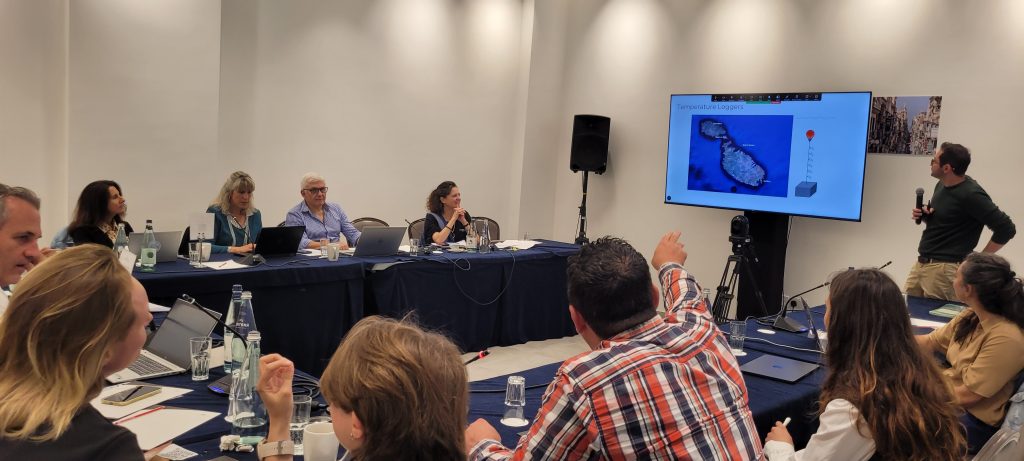
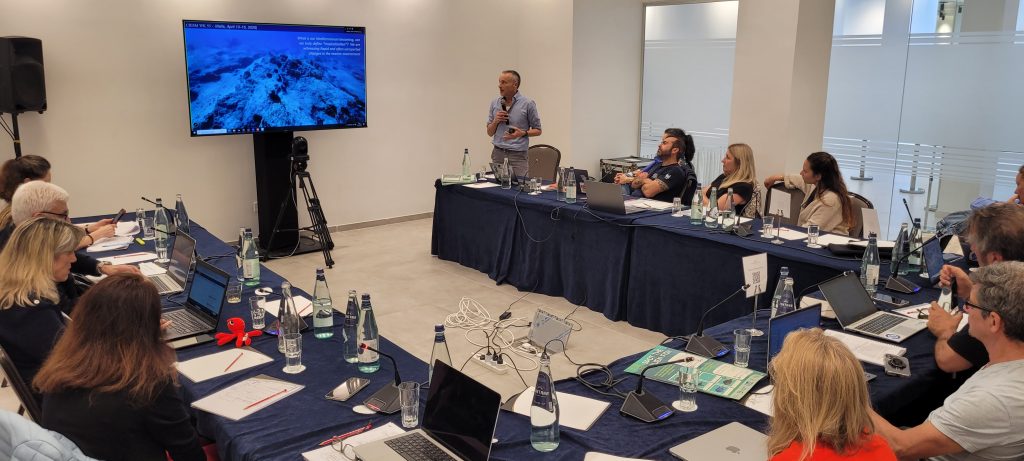
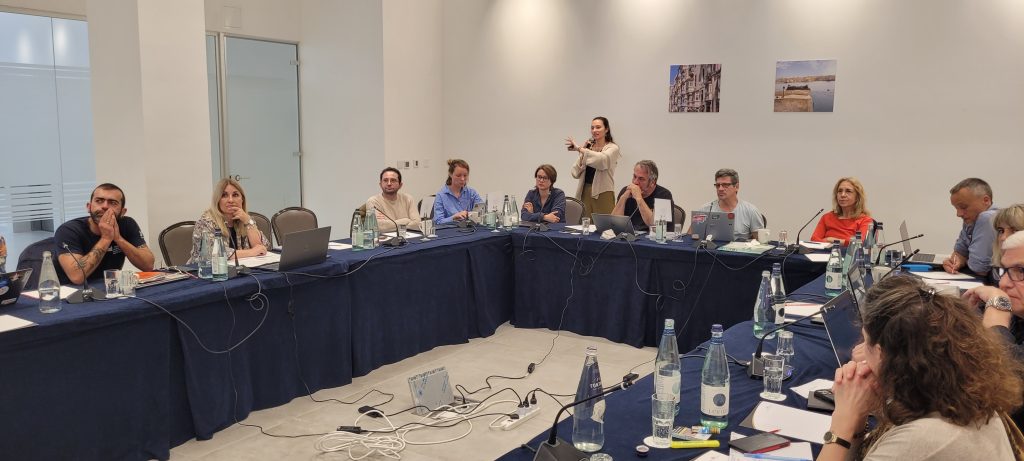
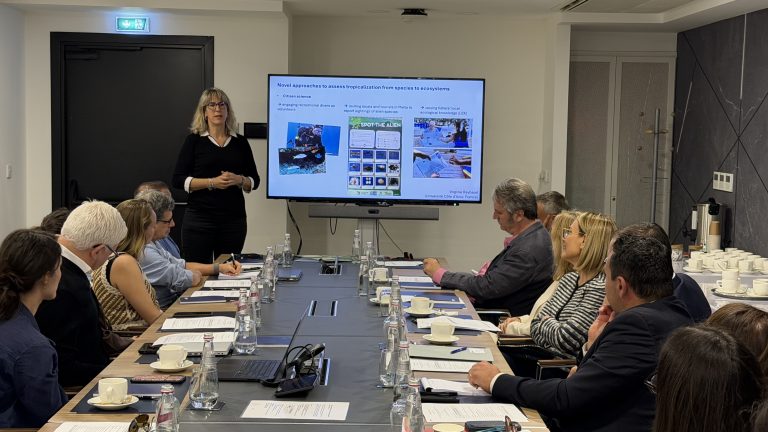
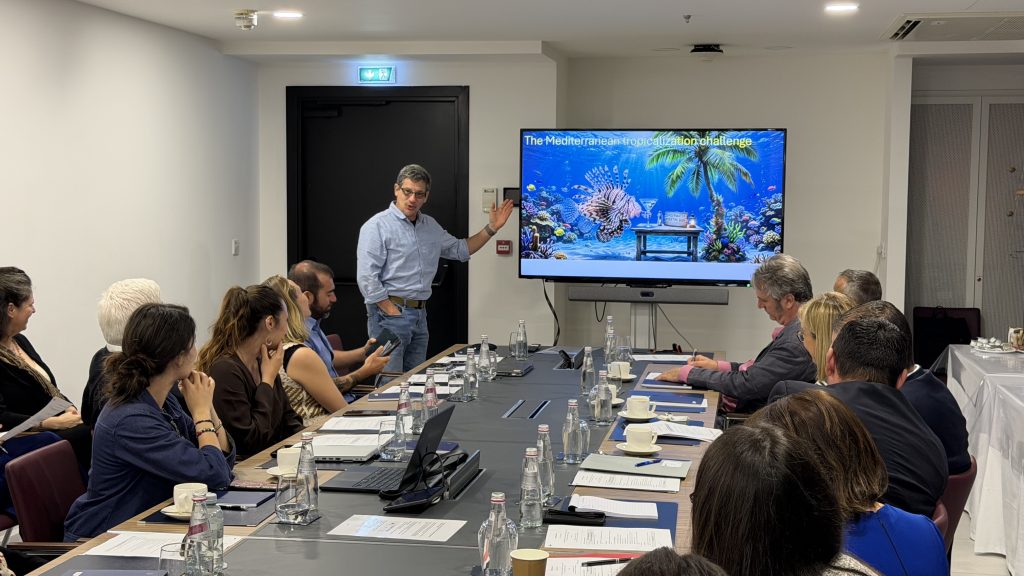
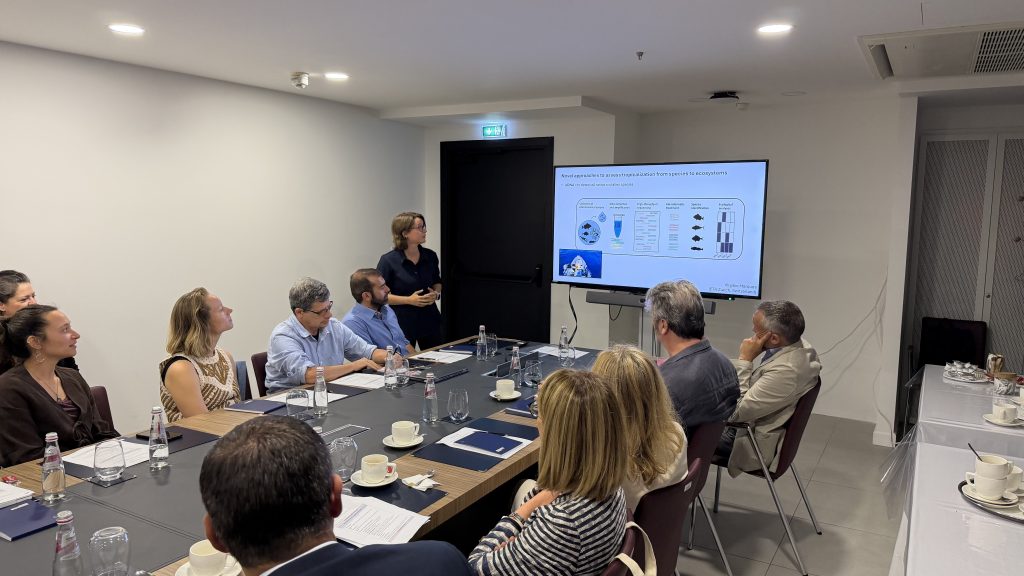
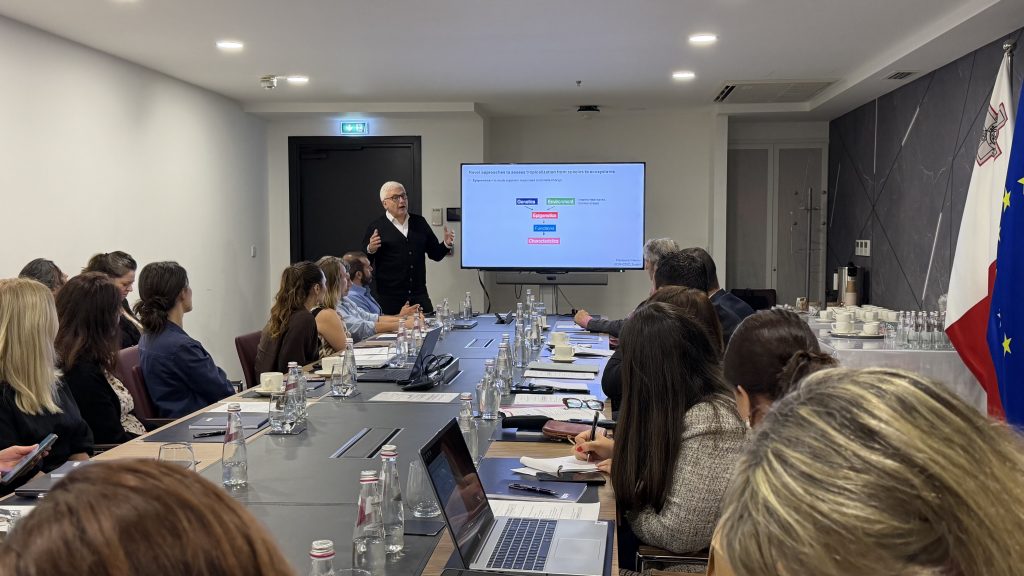
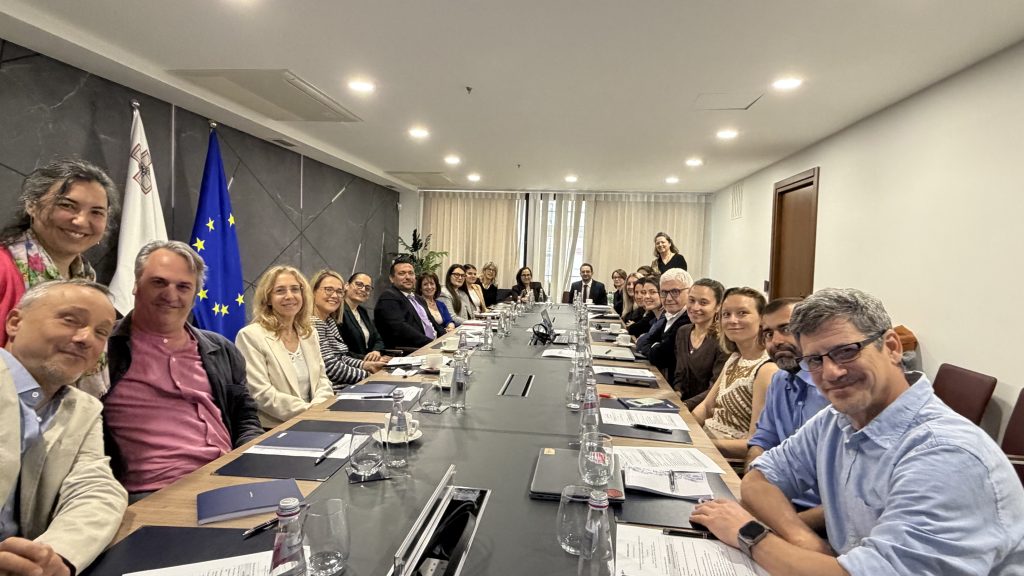
The workshop, entitled “Tropicalization Revisited: Emerging Risks, New Opportunities and the Next Chapter of Mediterranean Science”, took place in Malta from 13 to 16 April 2026, bringing together experts from across the Mediterranean to examine one of the most consequential transformations affecting the basin today. Building on decades of CIESM work through Tropical Signals and the Atlas of Exotic Species series, the workshop confirmed that tropicalization is accelerating across the Mediterranean.
Participants highlighted the rapid warming of the basin, especially in the east, the increasing frequency of marine heatwaves and mass mortality events, and the exponential rise of alien species, mainly entering through the Suez Canal.
A key conclusion of the workshop was the need to better harmonise monitoring methods across the basin. While many indicators already exist, participants stressed that a common minimum set of simple, replicable indicators including standardised visual census approaches is essential to improve comparability and build a clearer Mediterranean-wide picture.
Malta provided a particularly relevant example in this regard. Its extensive oceanographic monitoring system, supported by multiple sensors, enables high-quality time series and precise detection of marine heatwaves at different depths. Participants agreed that local efforts can and should go further, but that they are most effective when anchored in a shared regional framework.
The discussions also highlighted the growing importance of innovative tools. Epigenetics is opening new perspectives on how warming and other stressors affect marine organisms, including through biological ageing. Environmental DNA (eDNA) is improving the detection of both native and alien species directly from water samples, while citizen science remains essential for broadening observation capacity through the engagement of divers, fishers, local communities and visitors.
Overall, the workshop pointed to several priorities for future work: strengthening regional networking, combining conventional monitoring with innovative approaches, building resilience by turning pressures into opportunities, and fostering stronger links between science, local stakeholders and decision-makers.
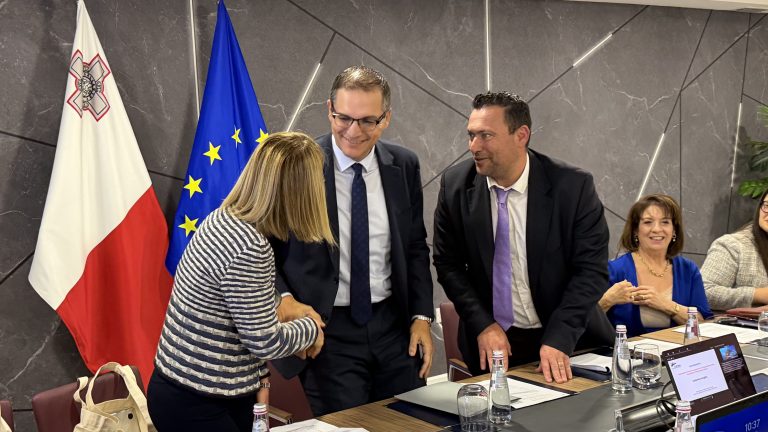
On the final day, consolidated findings and early policy recommendations were presented to Maltese authorities and partners, reinforcing dialogue between science and public action.
CIESM extends its sincere appreciation to all participants for their valuable contributions, and to the Maltese authorities for their generous support and engagement, in particular Mr. Christopher Cutajar, Dr. Christianne Caruana, and Ambassador Prof. Simone Borg.
The Commission also expresses its gratitude to Prof. ALAN DEIDUN, CIESM National Delegate for Malta, for his continued commitment and support, and to Mr. Andy Tanti for his valuable support in facilitating the arrangements.
📖 All scientific outcomes and policy recommendations will be published in the forthcoming CIESM Workshop Monograph No. 55.